 TroutWindow
Bug guide · SE bait
Insects trout eat around here
Click a bug for life stages, Southern Appalachians timing, and the artificials that mimic each bait stage. Native bait active + fish feeding = go.
Blue-Winged Olive
Small olive mayflies that keep showing up when the water is cool and the sky is soft. When BWOs are on, trout often key on emergers and duns…
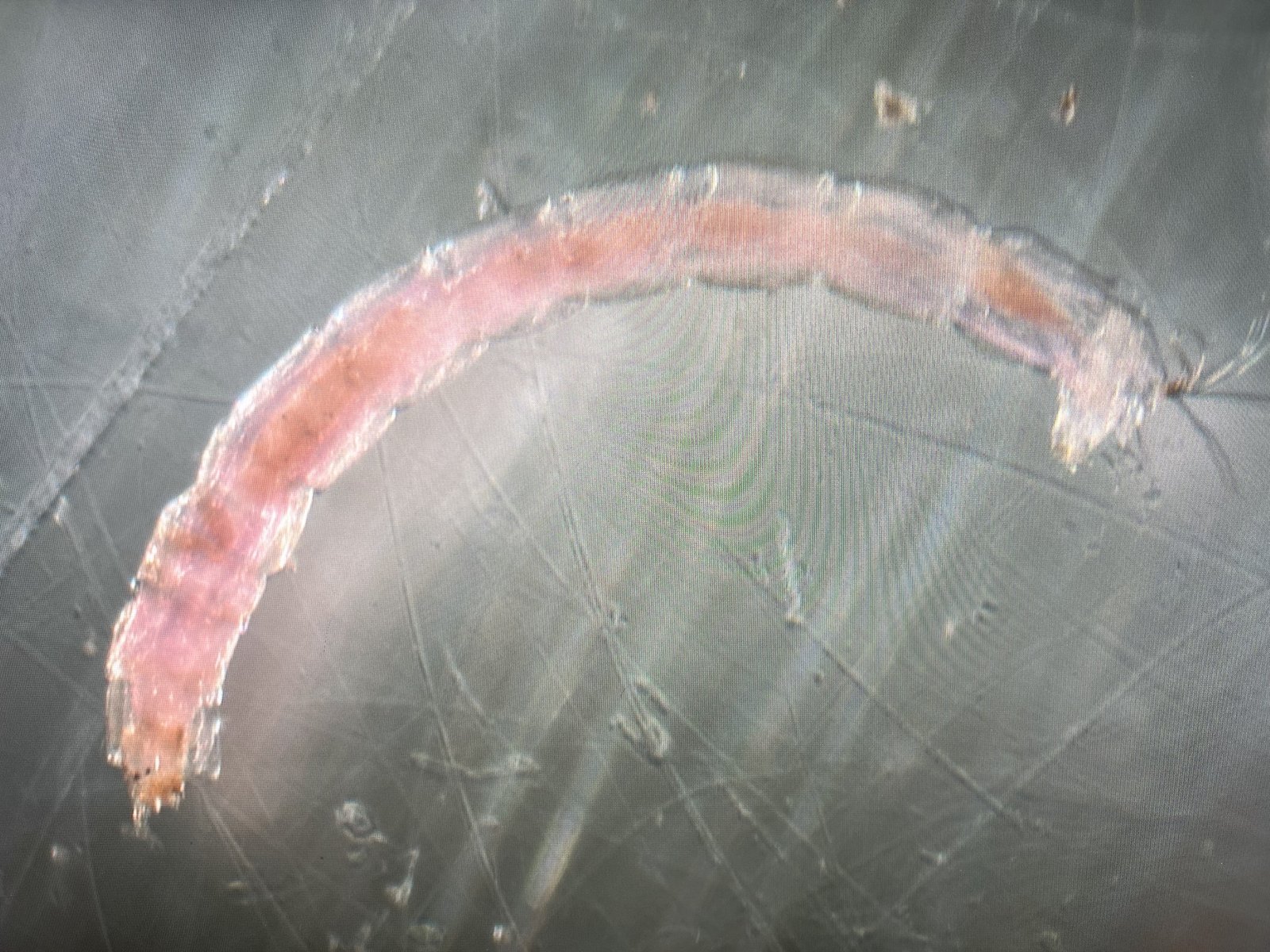
Midges
Tiny year-round bait. When nothing else is hatching, midges still move — especially on cold freestones and cool tailwaters. The pupa in the …
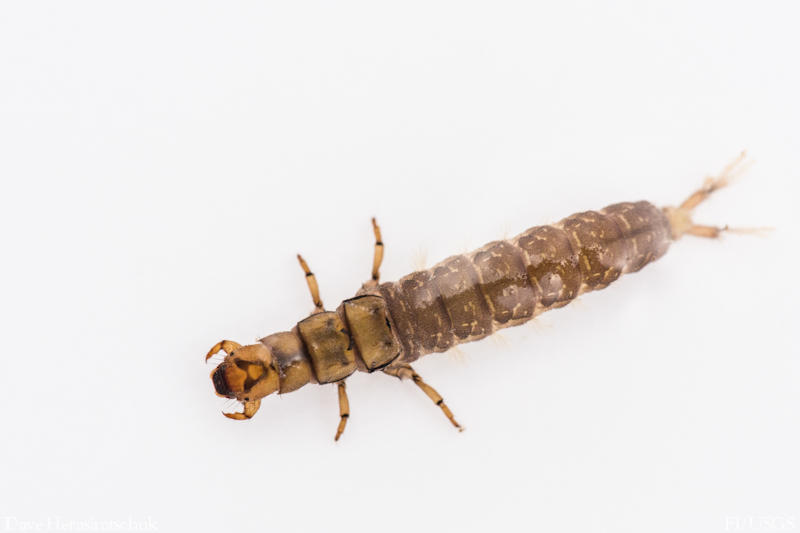
Caddisflies
The SE spring workhorse. Caddis don’t just hatch — they pupate up through the water column, and trout often smash pupae before a dry fly fee…
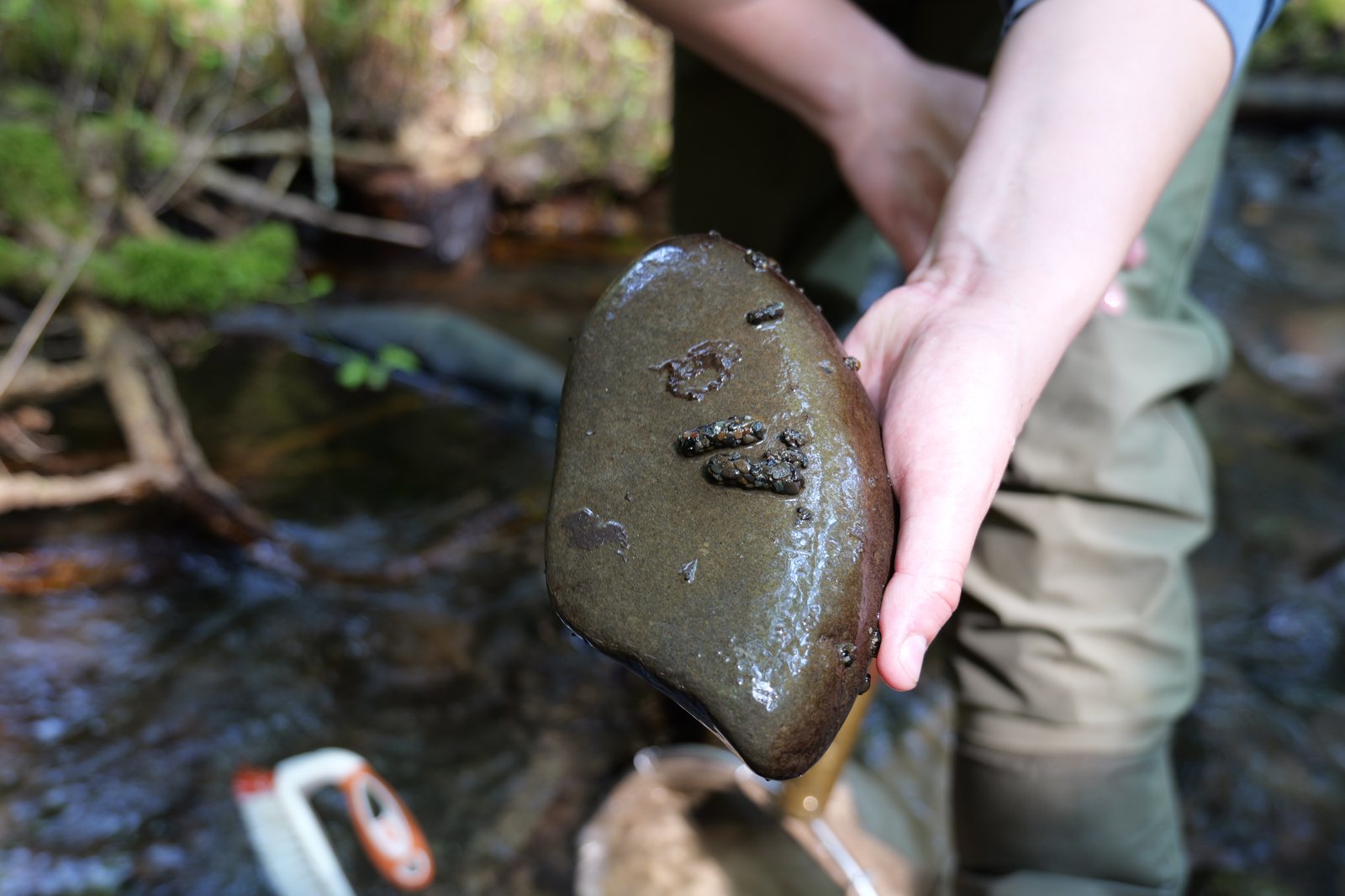
October Caddis
Big orange/brown fall caddis that can wake up freestone trout when summer terrestrials are fading. Think larger larva and adult silhouettes.
Sulphurs
Pale yellow evening mayflies that define late-spring SE evenings. Size and shade matter more than the shop name on the box.
Tricos
Tiny morning mayflies on flats and slower water. When the spinner carpet is down, trout can get selective — bring small tippet and patience.
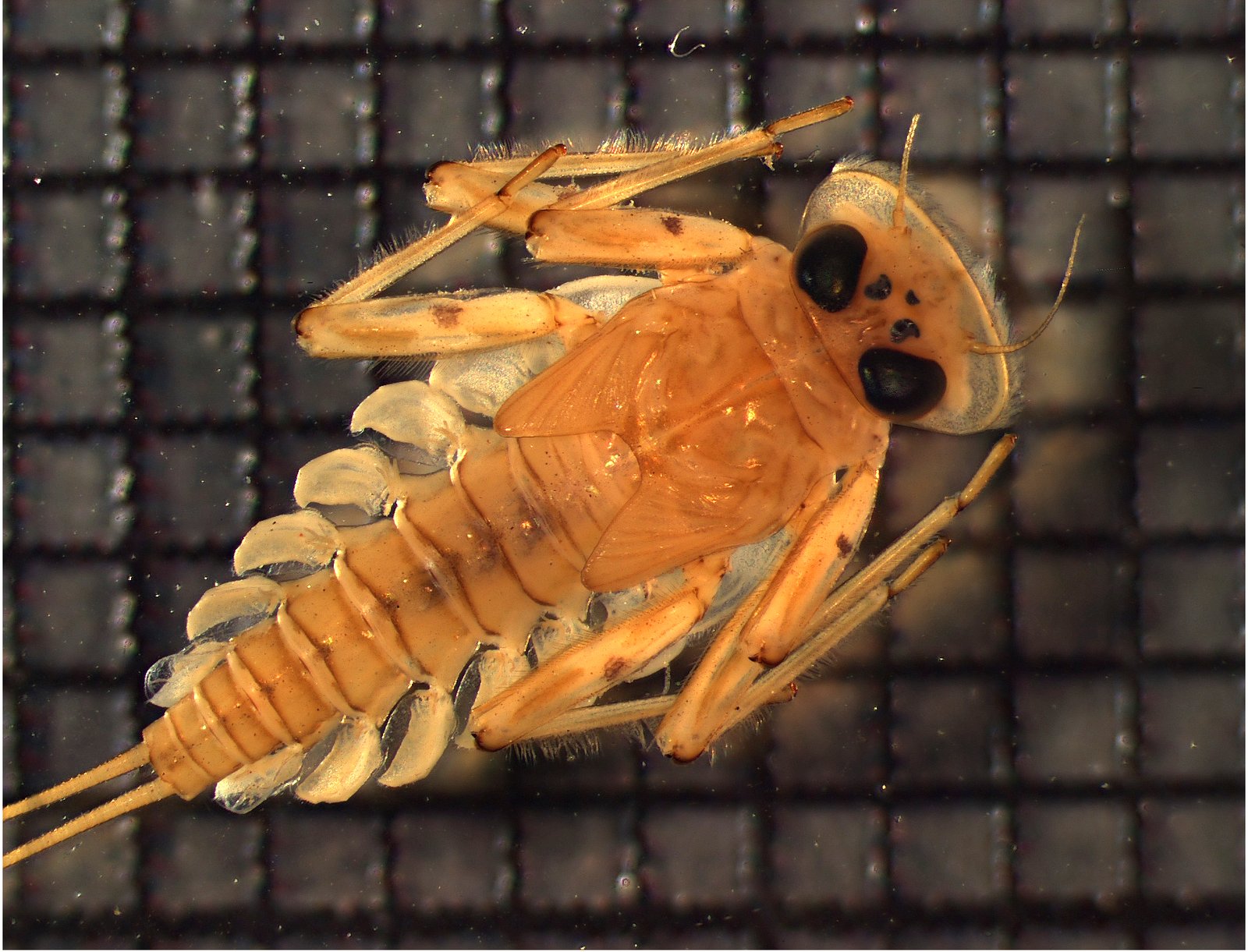
Quill Gordon
Early-season Appalachian mayfly royalty. Quill Gordons kick off spring freestone dreams; Blue Quills often ride nearby in the same cool wind…
Hendrickson
The April mayfly that makes freestone anglers cancel meetings. Reddish/brown duns and a strong nymph drift beforehand.
March Brown
Larger mottled spring mayfly. Comes with Quill Gordons and Hendricksons in the April freestone mix.
Light Cahill
Pale evening mayfly that shows up from late spring into fall dusk notes. A versatile pale dry when sulphurs fade.
Yellow Sally
The SE freestone summer stonefly signature. Little yellow adults near banks — and nymphs year-round under rocks. Not a midstream emerger sho…
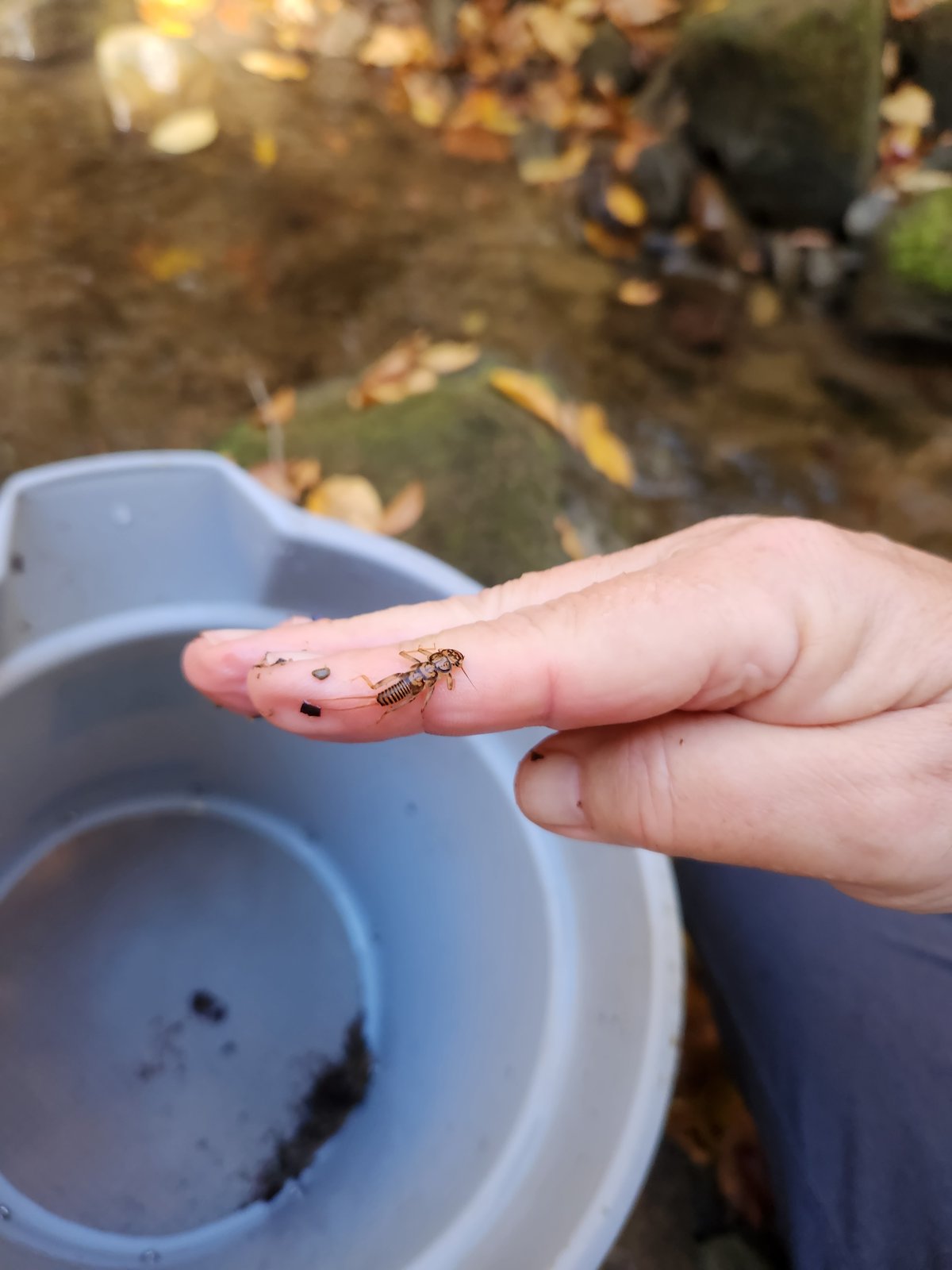
Stoneflies
From tiny early-season blacks to big spring giants. Nymphs are always candidate bait; adults hug banks after crawl-out.
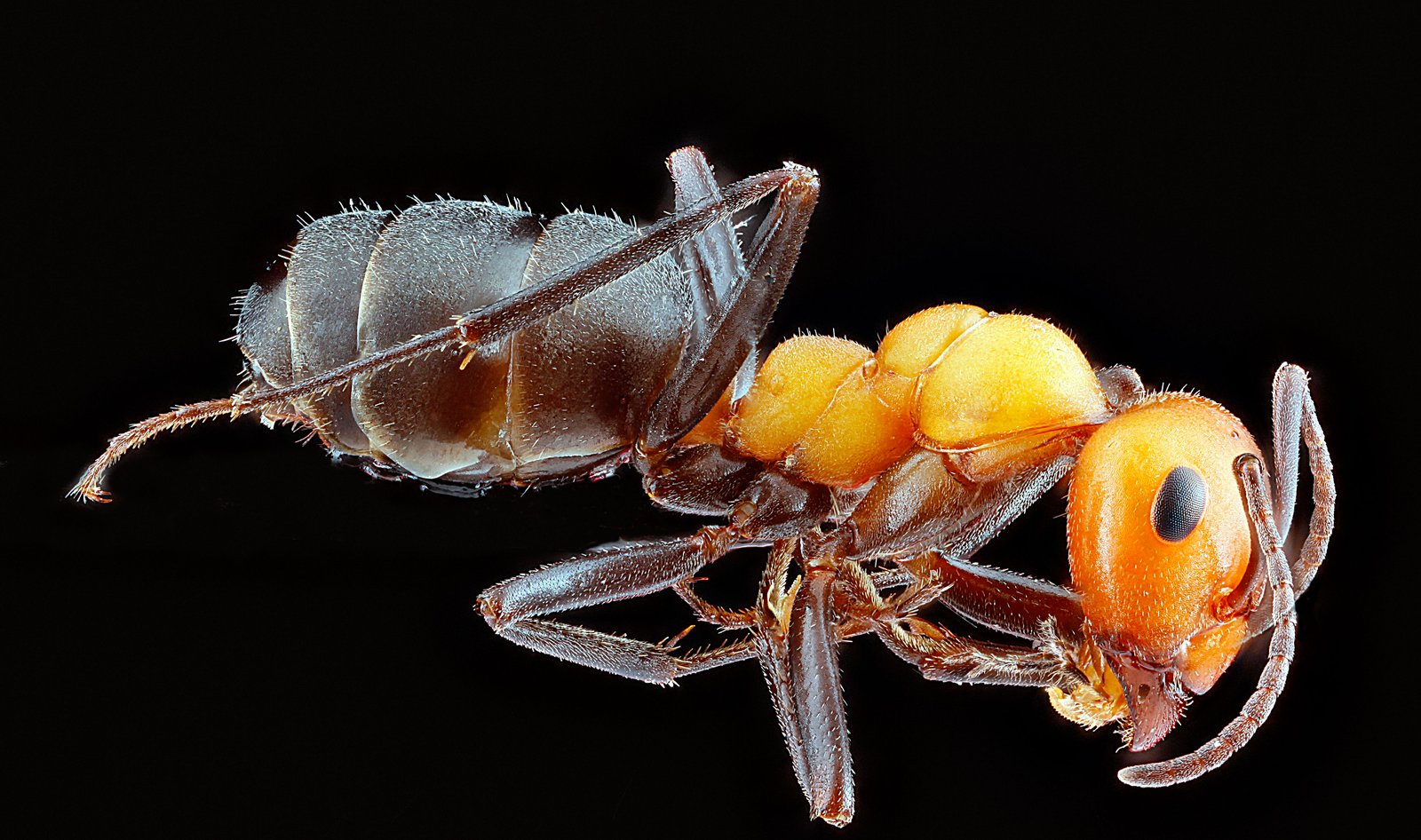
Terrestrials
Not a hatch — a bank-food layer. Summer wind, shade lines, and clumsy ants do as much for SE trout as many true hatches.
Taxonomy and stage language follow standard aquatic entomology (Ephemeroptera / Trichoptera / Plecoptera / Chironomidae). SE timing is a regional prior from the hatch calendar — confirm with thermometer, seine, and local shop/agency charts.