 TroutWindow
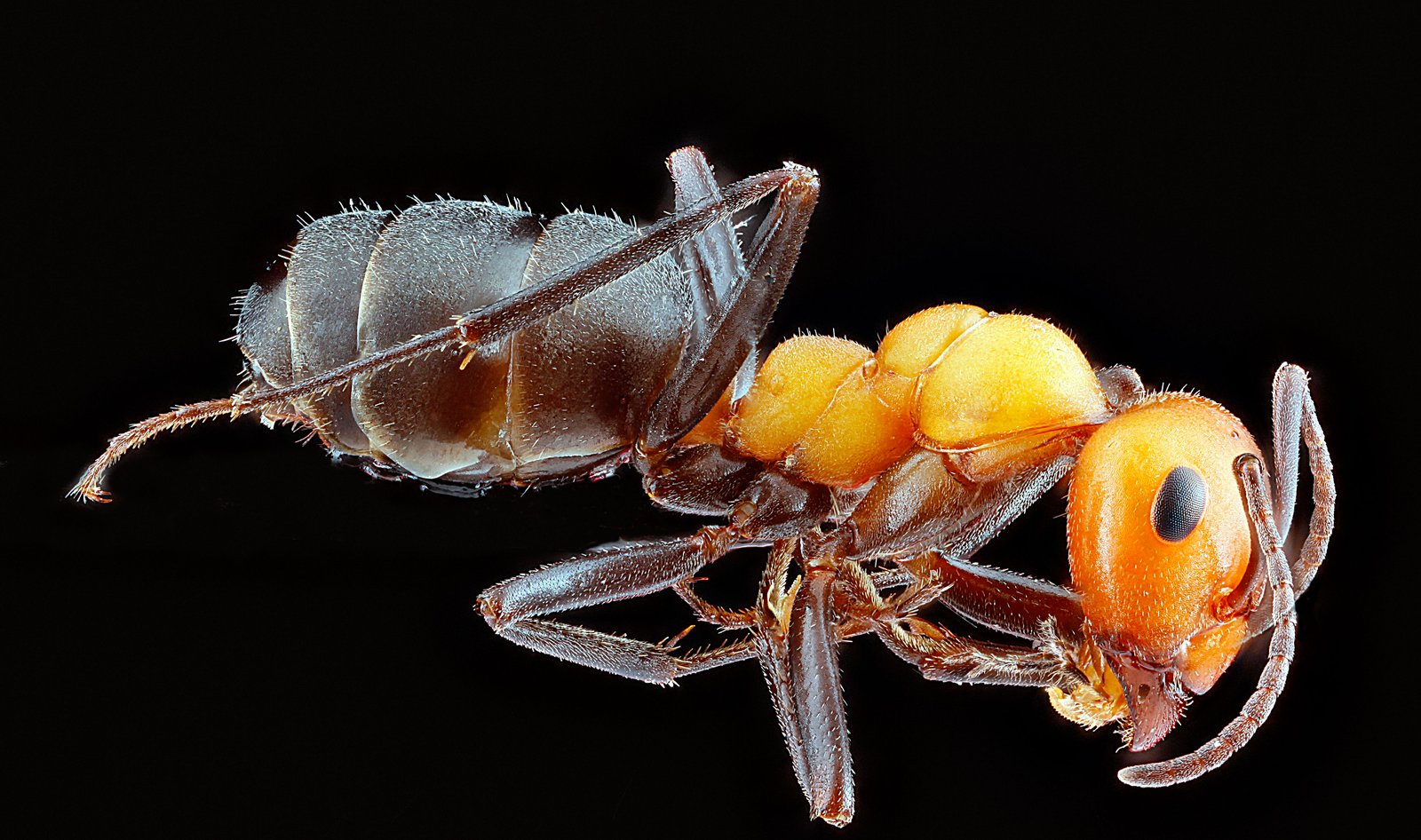
Various (Hymenoptera, Orthoptera, Coleoptera, etc.) · Ants, beetles, hoppers, inchworms, and windfall bank food
Terrestrials
Not a hatch — a bank-food layer. Summer wind, shade lines, and clumsy ants do as much for SE trout as many true hatches.
Taxa: Bank-food layer (ants, grasshoppers, beetles, etc.)
Bank food dropping in + fish looking up along edges = go. Still a thermometer fishery in July heat.
Life stages
Terrestrial life cycles happen on land. For trout, what matters is drop-in timing: summer into early fall, especially on brushy banks.
When it matters in the Southern Apps (NC–VA)
First terrestrials in Jun; peak Jul–Aug (ethics-critical on freestones); taper in Sep. Spring creeks: respect no-wade rules while fishing the bank food.
Matching artificials & techniques
Mimic the stage the fish are eating — size and silhouette first. Patterns are common SE shop language, not a brand list.
Foam Ant, Fur Ant, Flying Ant
Shade lines and soft edges after breezy spells.
Foam Beetle, Japanese Beetle
Dead-drift tight to grass and overhangs.
Foam Hopper, Dave’s Hopper, cricket patterns
Slapier presentations along grassy banks; let it sit.
Sources: Terrestrials as angler forage category (not aquatic hatch stages). Image kept: USGSBIML ant (PD). Hoppers: Coming soon (prior extreme-macro ID not confirmed as Orthoptera). Regional note: Taxonomy and stage language follow standard aquatic entomology (Ephemeroptera / Trichoptera / Plecoptera / Chironomidae). SE timing is a regional prior from the hatch calendar — confirm with thermometer, seine, and local shop/agency charts.
SE hatch calendar All bugs Life-cycle basics
More in the guide: BWO · Midges · Caddis · October Caddis · Sulphurs · Tricos