 TroutWindow
Trout behavior
When trout actually eat
Water temperature and flow are the strongest realtime answers to “are they feeding / is it fishable.” Weather and hatch timing matter — as modifiers, not primary switches.
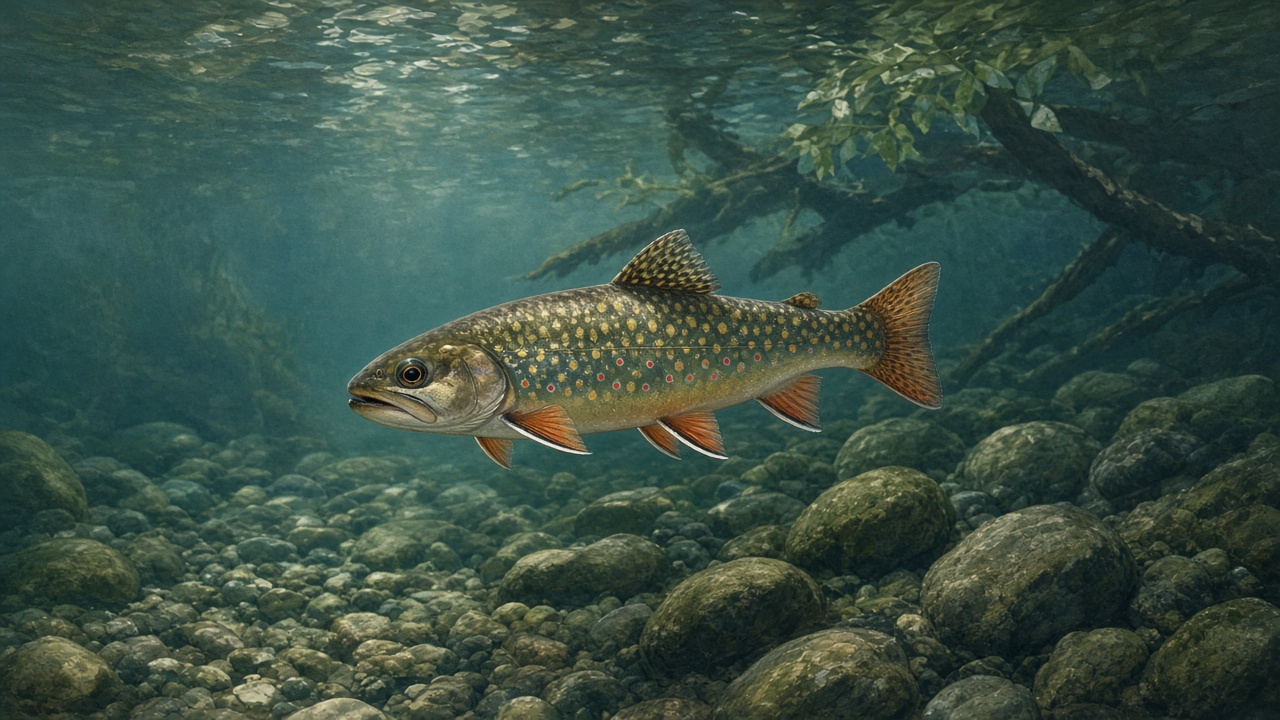
How trout feed
Stream trout are mostly visual, sit-and-wait / drift feeders. They hold where the energy math works and intercept invertebrates (and sometimes fish) moving past. They also pick off bottom prey and surface insects when those show up.
- Drift / water-column — clear–moderate water, daylight, active bugs → nymphs, emergers, soft hackles
- Surface / film — hatch or spinner fall; often low glare / overcast → dries, emergers
- Opportunistic / searching — dirty water, night, scarce drift → streamers, attractors
- Selective — heavy hatch of one species/stage; experienced wild fish → matching the hatch matters
Trout are cold-blooded — metabolic rate scales with water temperature. Feeding has to beat the cost of holding, swimming, and digesting. When costs climb or intake drops, fish slow down.
Species notes
- Rainbow — strong visual feeder; relatively warm-tolerant among trout; spring spawner
- Brown — often more nocturnal/crepuscular and structure-oriented; a bit more warm-tolerant in many agency narratives; fall spawner
- Brook (a char) — cold-water specialist; native Appalachians / NE; sensitive to summer warming; fall spawner
- Cutthroat — often more cold-stenotherm than rainbow; Rockies / West (less central to the NC–VA launch set)
Wild vs stocked: stocked fish forgive imperfect presentations; wild fish get pickier. Feeding still tracks temp/flow/hatch — selectivity matters more for fly choice than for whether you’re in a feeding window.
Temperature bands
Near maintenance
≤~38–40 °F
Rising appetite
~40–50 °F
Strong feeding core
~50–65 °F
Daily and seasonal patterns
Day: dawn/dusk peaks show up again and again for browns and rainbows. Midday can be excellent in cool seasons or under a strong daytime hatch; bright midday in clear skinny water often pushes fish deeper. Night: browns often feed then. Winter activity is low and often dusk- or midday-warming focused.
Season: Spring — rising temps, hatches ramp. Summer — peak metabolism until DO/temp stress; morning/evening bias; live-temp shutoff matters. Fall — cooling; brown/brook spawn (don’t route onto redds). Winter — low ration; midges/BWOs; midday warming; rank stable tailwaters higher.
Southeast flavor: a narrow coldwater niche — tailwaters and shaded Appalachian streams. Summer works differently: freestones need a heat-risk warning; tailwaters and spring creeks stay fishable longer.
Weather modifiers
- Cloud / light — overcast often stretches surface feeding and hatch duration. Evidence: moderate–strong for light affecting reactive distance.
- Rain / fronts — light rain/mist + overcast can prolong mayfly hatches; heavy rain → rising dirty water kills visual feeding.
- Flow / clarity — co-primary with temp. Turbidity cuts reactive distance sharply. Stable or gently falling after a rise often fishes well once clarity returns. USGS 00060 (+ 00065 stage).
- Barometric pressure — direct effect physically weak; controlled studies mostly null. Use only as a front/weather proxy.
- Moon phase — mostly folklore / weak evidence. Leave out of v1 feeding likelihood.
How scoring should work later
Keep three scores separate:
- Feeding — metabolic suitability
- Flow — physical fishability
- Surface — hatch × cloud × time of day (doesn’t rescue bad temp/flow)
Fish here = rank by feeding × flow. Fish now = next 24–48h timeline. Hard gates: temp OK / safety → not recommended.
Source: Trout Feeding & Weather Research Brief (2026-09-12). Key links therein: VA DWR summer trout practices; USGS Water Services IV docs; EPA Region 10 temperature/salmonids issue paper; SRAC trout feeds; Henry’s Fork Foundation hatch timing; Orvis / Keep Fish Wet temp guidance; Trout Resource on barometric pressure. Species assemblage maps for thermal curves remain an open research question — founder QA.