 TroutWindow
Diptera · Chironomidae
Midges
Tiny year-round bait. When nothing else is hatching, midges still move — especially on cold freestones and cool tailwaters. The pupa in the film is often the money stage.
Taxa: Chironomidae (non-biting midges)
If midges are active and trout are sipping the film, that’s a green light — even when the calendar looks empty.
Life stages
Complete metamorphosis: egg → larva → pupa → adult. Multiple generations per year are common. Larvae live in soft substrates; pupae rise toward the surface to emerge.
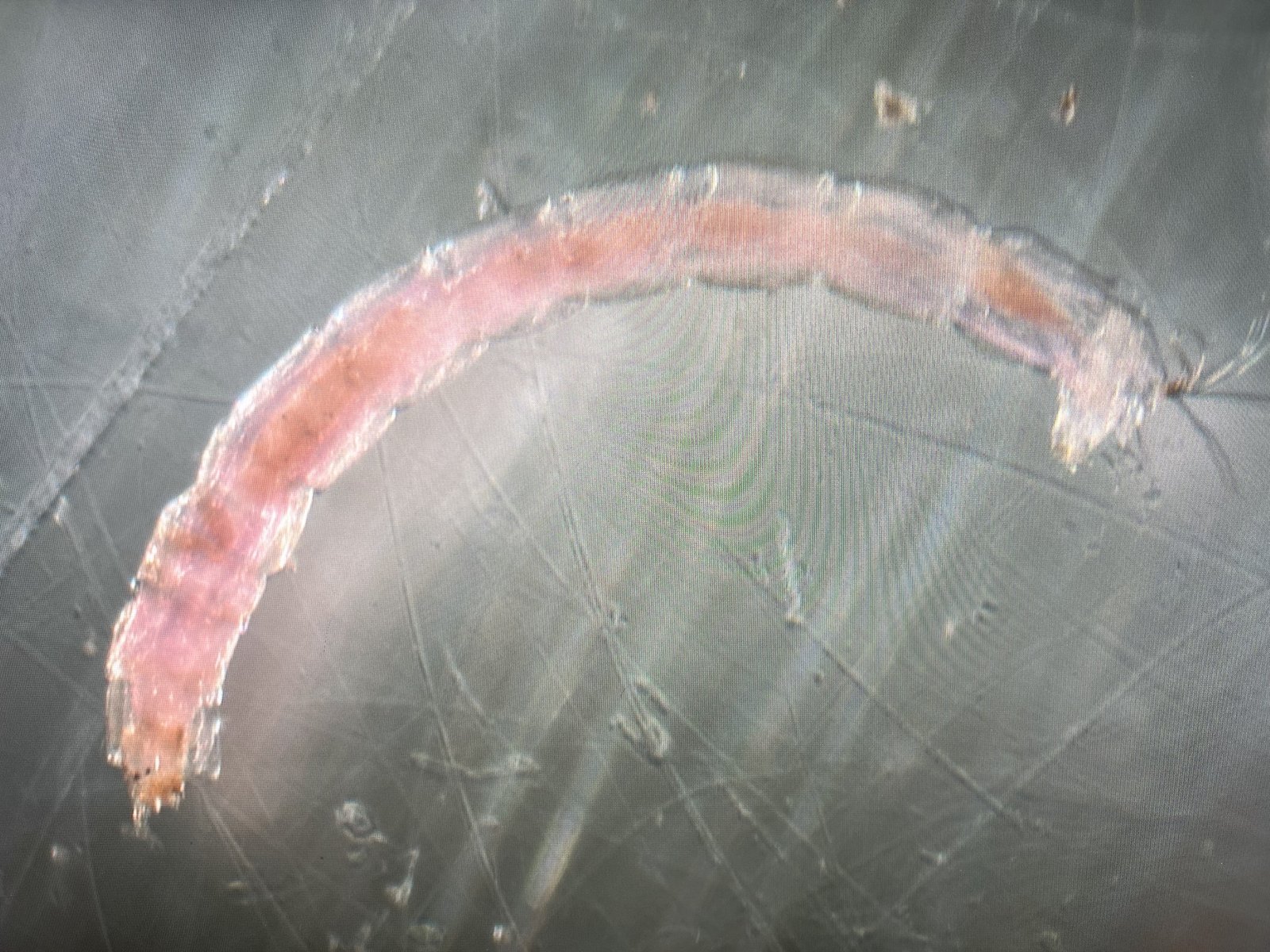
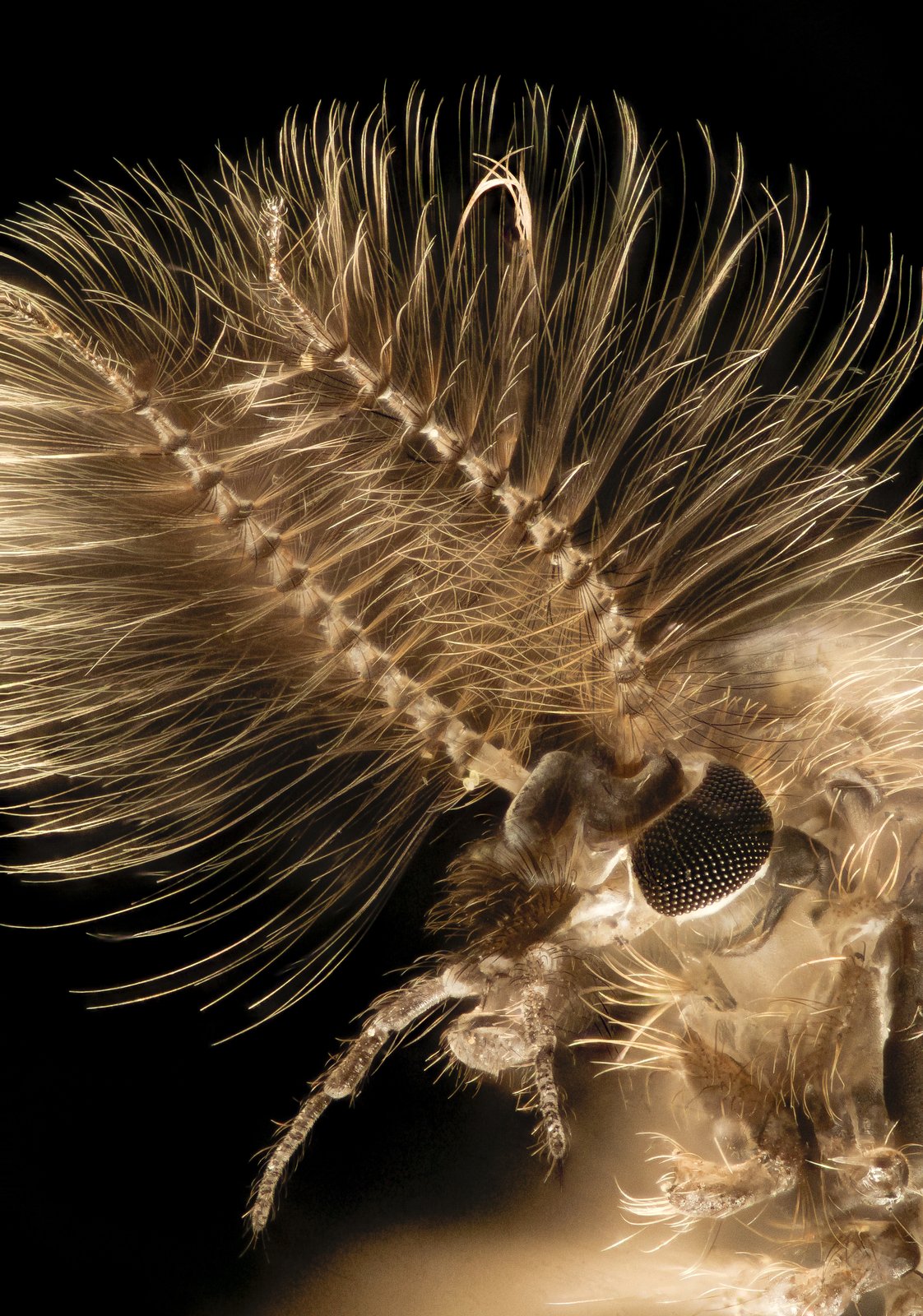
When it matters in the Southern Apps (NC–VA)
Watch band roughly ≳40 °F. Backbone of Jan–Mar and Oct–Dec; summer insurance on tailwaters when freestones are ethically hot. Winter midday warming often helps.
Matching artificials & techniques
Mimic the stage the fish are eating — size and silhouette first. Patterns are common SE shop language, not a brand list.
Zebra Midge, Thread Midge, WD-40, Bloodworm
Small (#18–24), light tippet, slow deep drifts in winter lanes.
Zebra Midge (shiny), Top Secret Midge, CDC pupa, Mercury Midge
Hang in the top few inches. Watch for subtle film rises.
Griffith’s Gnat, Cluster Midge, CDC adult
Fish clusters when adults bunch; otherwise tiny singles.
Sources: Chironomidae life history (egg–larva–pupa–adult). Images kept: USGS Chironomid larva + USGSBIML adult midge (public domain). Pupa photo: Coming soon. Regional note: Taxonomy and stage language follow standard aquatic entomology (Ephemeroptera / Trichoptera / Plecoptera / Chironomidae). SE timing is a regional prior from the hatch calendar — confirm with thermometer, seine, and local shop/agency charts.
SE hatch calendar All bugs Life-cycle basics
More in the guide: BWO · Caddis · October Caddis · Sulphurs · Tricos · Quill Gordon